



The Best Deodorant Options for Sensitive, Reactive Skin


If your underarm skin reacts to most deodorants with redness, itching or irritation, you are not alone. For people with sensitive or allergy-prone skin, choosing the right deodorant is less about fragrance preference and more about what the formula does not contain. A deodorant can be gentle, effective and still feel like a considered part of your daily routine.
This guide explains what to look for, which ingredients to avoid, and which formulations are better suited to skin that reacts easily.
What Makes a Deodorant Suitable for Allergy-Prone Skin
- Free from aluminium salts, which block sweat ducts and are a common cause of contact dermatitis
- Free from alcohol, which strips the skin's surface and increases sensitivity over time
- Roll-on or solid format, which applies evenly without aerosol propellants that can irritate airways
- Antibacterial action from gentle actives rather than harsh synthetic preservatives
- Fragrance from natural botanical sources at low concentration, rather than synthetic compounds at high volumes
The underarm area is one of the most sensitive zones on the body. Skin here is thin, frequently shaved or waxed, and in regular contact with fabric. Irritants in a deodorant formula can trigger reactions more quickly than they might elsewhere on the body.
A deodorant that works well for allergy-prone skin controls odour-causing bacteria without disrupting the skin's natural barrier, applies without stinging and does not rely on aggressive preservatives or occlusive compounds to function.
Aluminium and alcohol are the two most consistent triggers across skin sensitivity research, which makes aluminium-free, alcohol-free deodorants the most practical starting point for anyone managing skin allergies.
Deodorant Ingredients Worth Avoiding
Understanding the ingredient list on your deodorant is the most reliable way to identify what might be causing a reaction.
- Aluminium salts (listed as aluminium chlorohydrate or aluminium zirconium tetrachlorohydrex) are the active ingredient in most antiperspirants. They prevent perspiration by blocking sweat ducts, which can cause occlusion-related irritation and chronic redness in reactive skin types. People with eczema or contact dermatitis often find that removing aluminium resolves persistent underarm irritation.
- Alcohol is used in many spray and roll-on formulas as a carrier and quick-dry agent. On freshly shaved or waxed skin, alcohol stings immediately and disrupts the skin's protective surface over time. Regular exposure can leave underarm skin dry and more reactive to other ingredients in the formula.
- Synthetic fragrance at high concentrations is one of the most common causes of contact allergy in personal care products. Individual compounds such as isoeugenol, limonene and linalool are listed as potential allergens under cosmetics regulations. Products that disclose fragrance sources are more transparent and easier to assess for personal sensitivity.
A Deodorant That Works for Sensitive Skin
For those looking for a deodorant suited to sensitive skin without compromising on fragrance quality, L'Occitane offers two excellent aluminium-free options.
Cèdre Encens Deodorant is formulated without aluminium salts and alcohol, removing two of the most common deodorant-related irritants. The roll-on formula applies smoothly to clean, dry skin, dries quickly and leaves no residue. Rather than blocking perspiration, it helps neutralise odour by targeting the bacteria responsible for odour development, respecting the skin's natural balance while delivering long-lasting freshness.
Its sophisticated fragrance blends cedarwood and frankincense, opening with subtle spice before revealing warm woody notes and a soft amber finish. It layers beautifully with the Cèdre Encens Shower Gel and Eau de Toilette for a complete fragrance ritual.
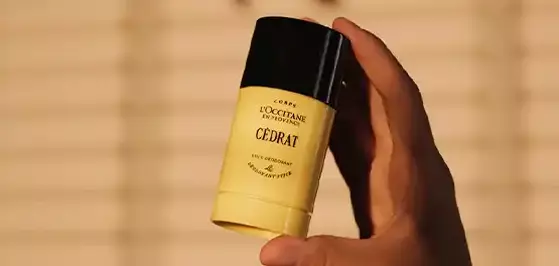
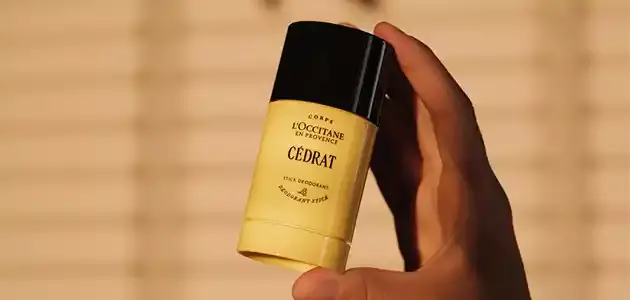
For those who prefer a brighter, fresher scent, the Cédrat Deodorant Stick is another excellent choice. Free from alcohol and aluminium salts, this easy-glide stick dries quickly and helps neutralise odours caused by bacteria without interfering with the skin's natural perspiration. It provides lasting freshness while leaving no sticky residue.
Infused with the sparkling fragrance of Eau de Cédrat, it leaves skin delicately scented with vibrant cedrat citrus, refreshing spicy notes and elegant woody undertones. Fresh, invigorating and refined, it's the perfect everyday deodorant for those who enjoy a clean citrus scent while caring for sensitive skin.
How to Apply Deodorant and Reduce Irritation Risk
Even a gentle, well-formulated deodorant can cause discomfort if applied at the wrong time or in too large a quantity. Application technique matters.
Apply to clean, dry skin. Freshly washed underarm skin is free of bacteria, sweat residue and product build-up. Starting clean gives the formula its best chance of working and reduces the risk of irritation from layering over residue.
Wait after hair removal. Shaving or waxing creates micro-abrasions on the skin surface. Even an alcohol-free formula can sting if applied immediately after. A gap of 20 to 30 minutes allows the skin to settle before application.
Use a thin, even layer. More product does not mean more protection. Over-application can lead to build-up in the skin folds, which contributes to irritation over time. One or two passes of a roll-on is typically sufficient.
Patch test before regular use. If your skin reacts easily, apply a small amount to the inside of your forearm for two to three days before using it on your underarms. This identifies any sensitivity before committing to regular use in a more reactive area.
Frequently Asked Questions
Is aluminium-free deodorant better for sensitive skin?
For many people with sensitive or allergy-prone skin, yes. Aluminium salts block sweat ducts and can cause chronic irritation, folliculitis and redness in reactive skin types. Aluminium-free formulas prevent odour by targeting bacteria rather than blocking perspiration, which is a gentler approach for skin that reacts easily.
Can fragrance in deodorant cause an allergic reaction?
Fragrance is one of the most common contact allergens in personal care products. If your skin reacts to scented deodorants, look for products that disclose fragrance sources. Natural botanical fragrance at controlled concentrations is generally better tolerated than high-volume synthetic fragrance blends.
What is the difference between a deodorant and an antiperspirant?
A deodorant prevents odour by controlling odour-causing bacteria. An antiperspirant reduces perspiration by blocking sweat ducts using aluminium salts. For allergy-prone skin, deodorants are generally the better choice because they work without aluminium and do not interfere with the skin's natural perspiration function.
Recommended For You


HOW TO STAY FRESH & HYDRATED
We all know that hot and sticky feeling that comes so often with summer heatwaves. You’re sweating, you’re uncomfortable and all you can think of is spending the rest of your life under a cool stream of water. For those days when you are feeling hot, humid or uncomfortable, we have your ultimate beauty must-haves to keep you feeling refreshed and hydrated all year long.


How To Exfoliate: A Head to Toe Guide
From face scrubs to foot scrubs, every inch of your skin deserves a little polish. Exfoliation isn’t just about removing dead cells; it’s a transformative ritual that unveils fresher, more radiant skin. By whisking away flakes, excess oil, and impurities, a good exfoliator refines texture, stimulates cell renewal, prevents ingrown hairs, and delivers that coveted silky-smooth finish.